covering climate and culture.
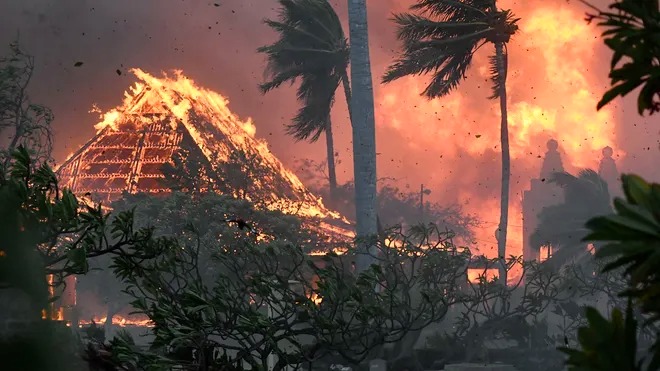
No Really, See Our Islands. Before It Burns Us All Down.
Lauren reflects on the devastating Maui fires and challenges faced by small islands like Hawaii and The Bahamas, whose economies rely heavily on tourism yet are increasingly vulnerable to the harsh impacts of climate change. She urges the world to recognize the human faces behind these disasters and to trace these tragedies to their colonial roots before it is too late.

See My Island: Nurturing Environmental Leaders Through Storytelling
Lauren recounts her experience leading a summer camp for Bahamian girls ages 11-16. Set against the breathtaking backdrop of Eleuthera, the girls explored marine ecosystems and expressed the environmental changes in their home through art, writing, and film. Their powerful projects showcased their passion for conservation and highlighted the transformative potential of storytelling in sparking change for a sustainable future.
What It Means to Be a Good Friend in a Long-Distance Relationship with Nature
Lauren meditates on her deep connection to nature, nurtured by her island upbringing, and how it shapes her approach to climate justice. As she navigates life in New York, she remains committed to maintaining her bond with nature through environmental education and activism. She hopes the Earth knows she’s on its side, championing its protection through her work.
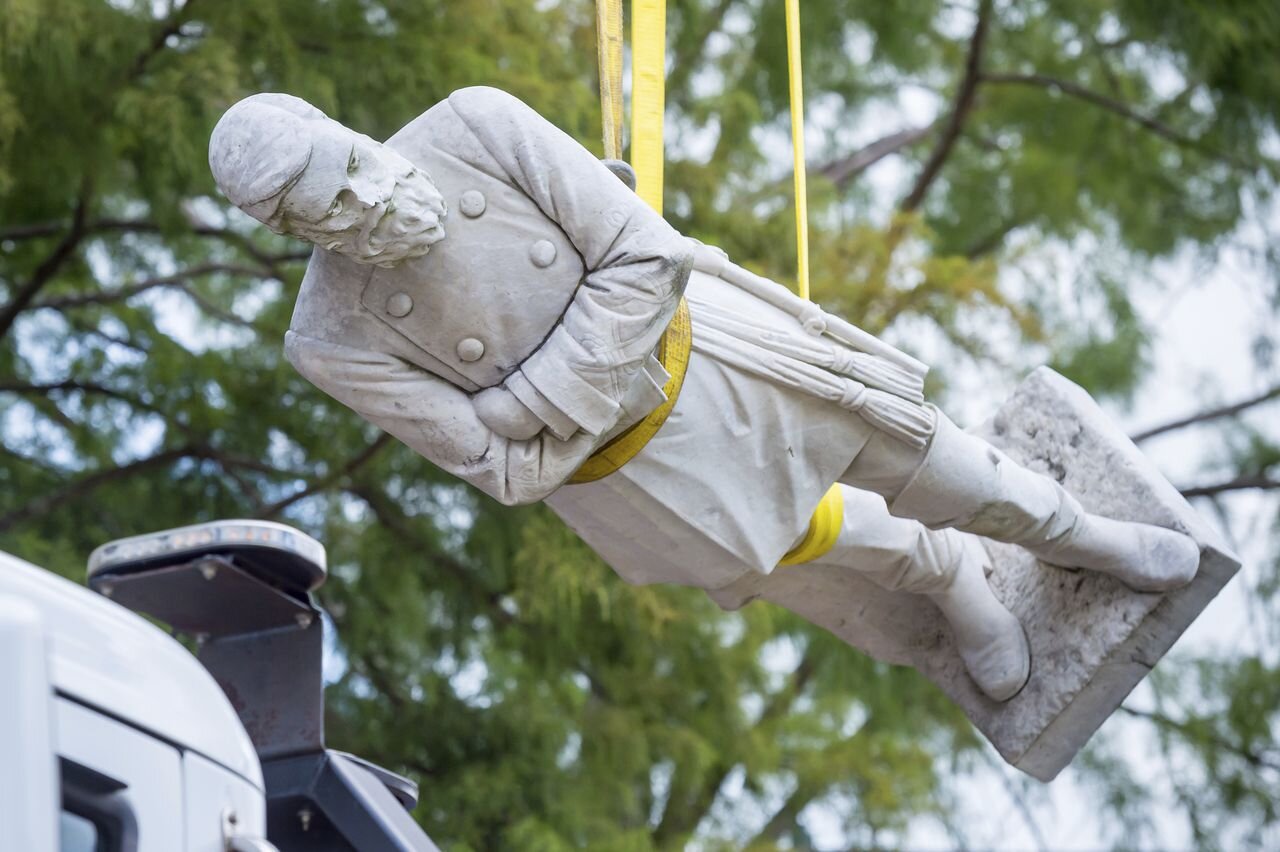
The Harder They Fall: Deconstructing White Supremacy, One Statue at a Time
Lauren argues that removing statues of controversial historical figures does not erase history but challenges the glorification of racism and colonization. She emphasizes that these statues symbolize what society chooses to honor. While statue removal is a symbolic step, Lauren asserts that real change requires addressing systemic racism and revising societal structures beyond monuments.
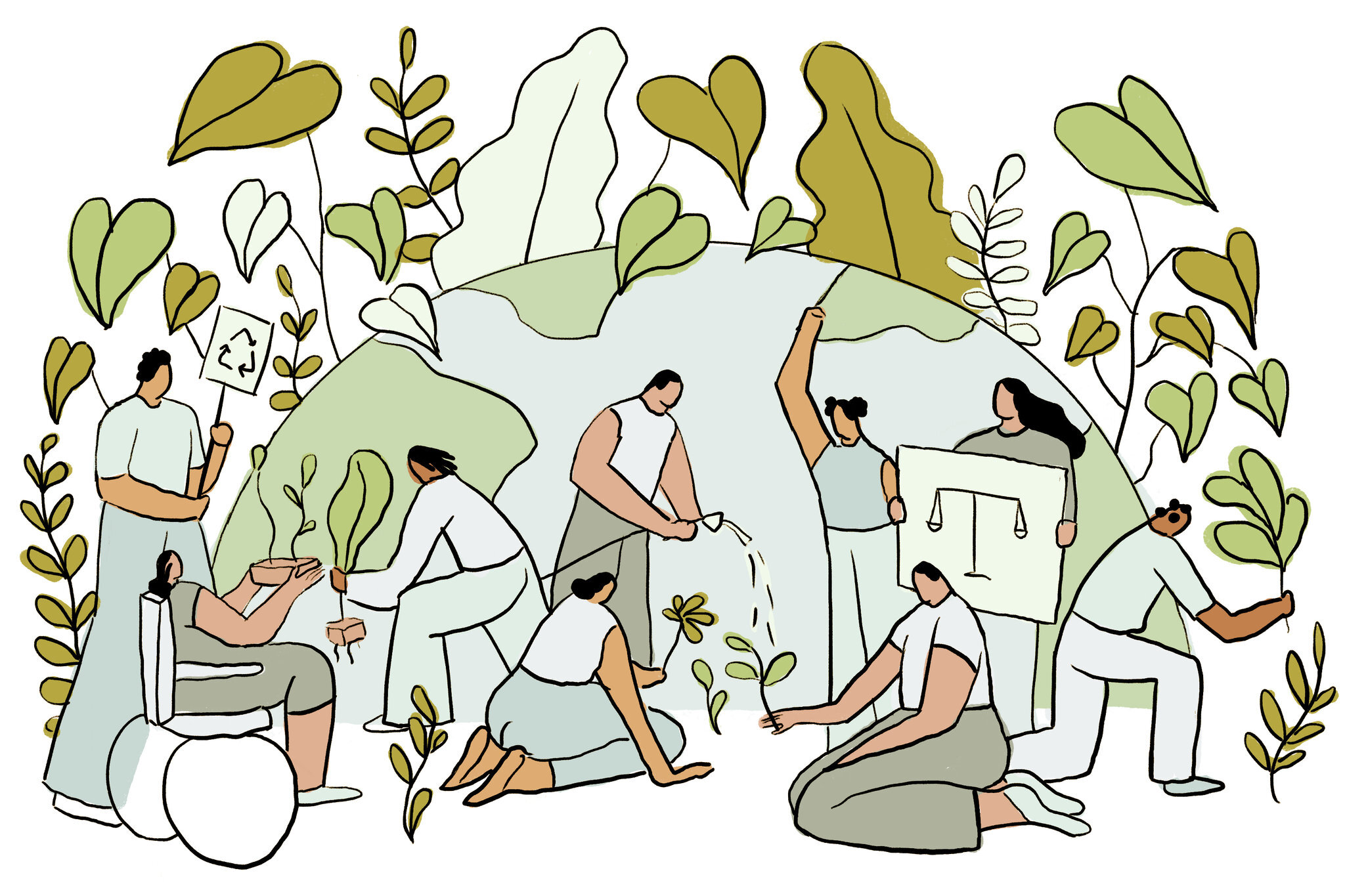
Lauren highlights the intersection of racism and environmental issues, stressing that Black communities disproportionately face environmental harm. She critiques the lack of Black representation in the climate movement, pointing out that it’s not a matter of disinterest but systemic exclusion. Ritchie calls for a more inclusive approach to climate action, urging that Black and POC voices, often most impacted by environmental degradation, must be at the forefront of the movement.

The Privilege Problem: How Green Living Can Be Inaccessible & Exclusionary
Lauren critiques the sustainability movement for being overly focused on wealth and privilege, often sidelining marginalized communities. She calls for a more inclusive and accessible environmental movement that recognizes all forms of sustainability.
Why environmental activism needs to be intersectional
19-year-old Bahamian student activist Lauren Ritchie on how we can’t talk about climate justice without social justice for The Malala Fund Assembly.
 Lauren Ritchie